

Many people assume custom furniture is complicated or expensive, but the truth is custom pieces can give you items that fit your space and way of living far better than you might expect. This is especially true for houses, condos, or commercial spaces with limits in size, shape, or function. Made-to-measure furniture helps you make the most of every square inch while producing pieces that look cohesive with your space.
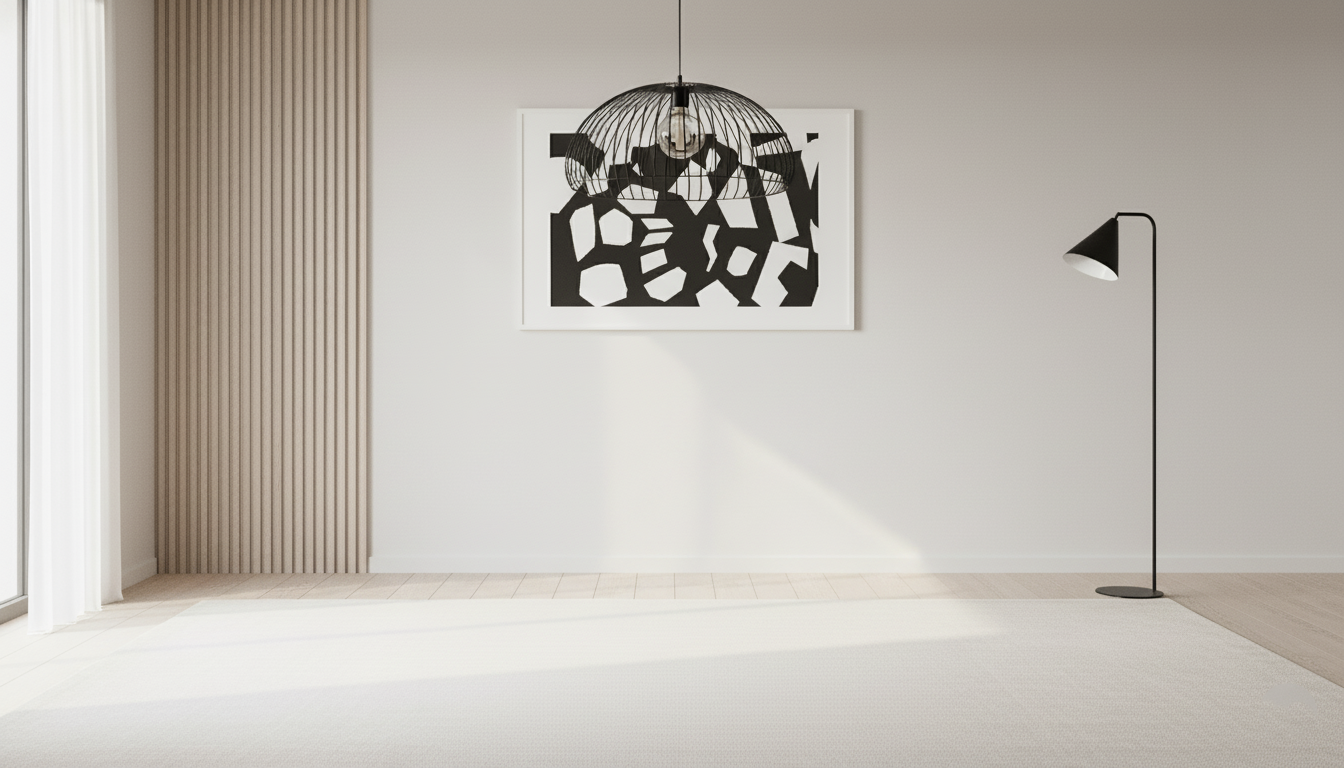
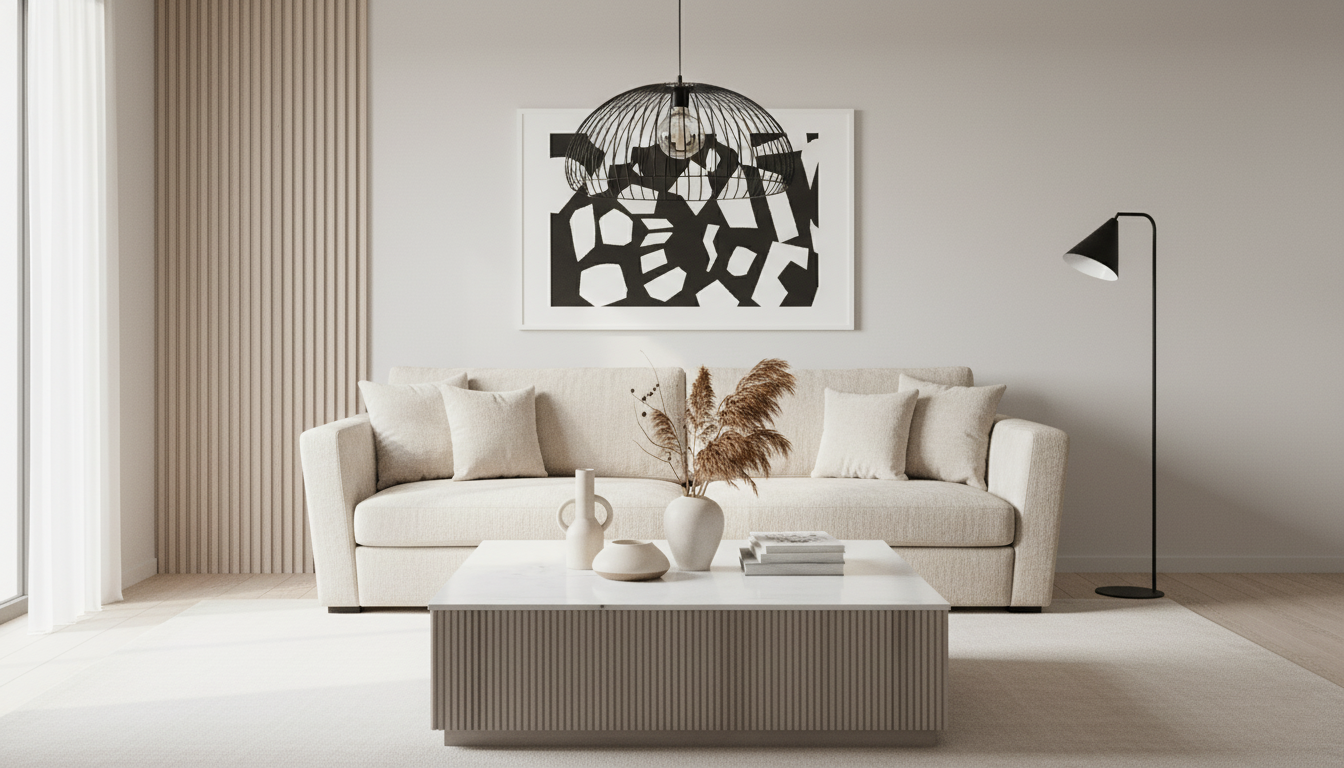
Small spaces and awkward corners are no longer a problem
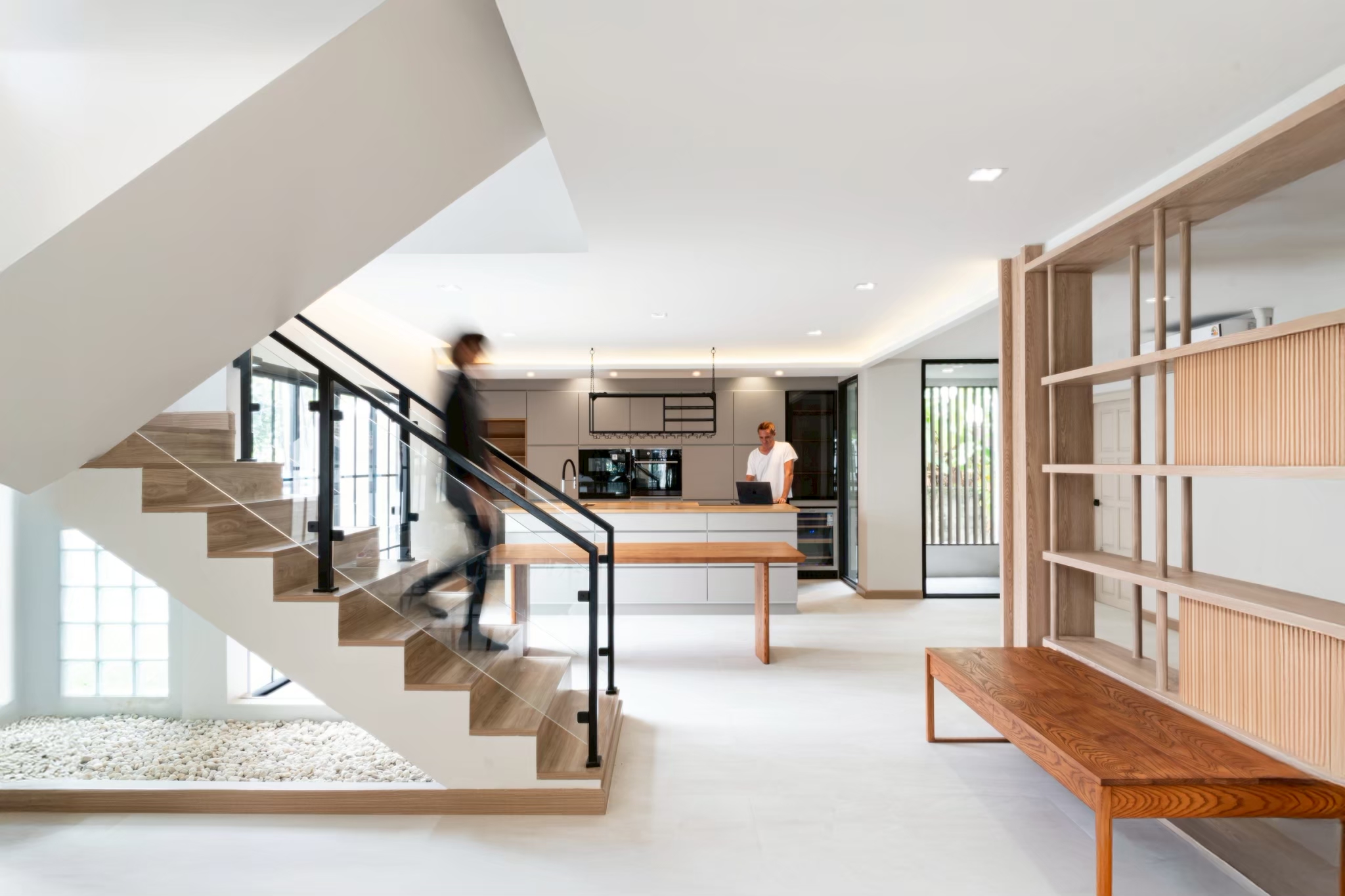
Ready-made furniture is often designed to standard sizes and doesn’t address special corners—like sloped walls, areas under stairs, or irregular recesses. Custom work begins with precise on-site measurements and is designed to match the actual conditions, allowing previously wasted areas to become useful. Examples include built-in cabinets sized to fit perfectly, angled shelving, drawers tucked under stairs, integrated cable management, and hidden storage compartments. The result is a tidier, more open-feeling home with increased storage that doesn’t compromise the overall décor.
Furniture designed around your lifestyle
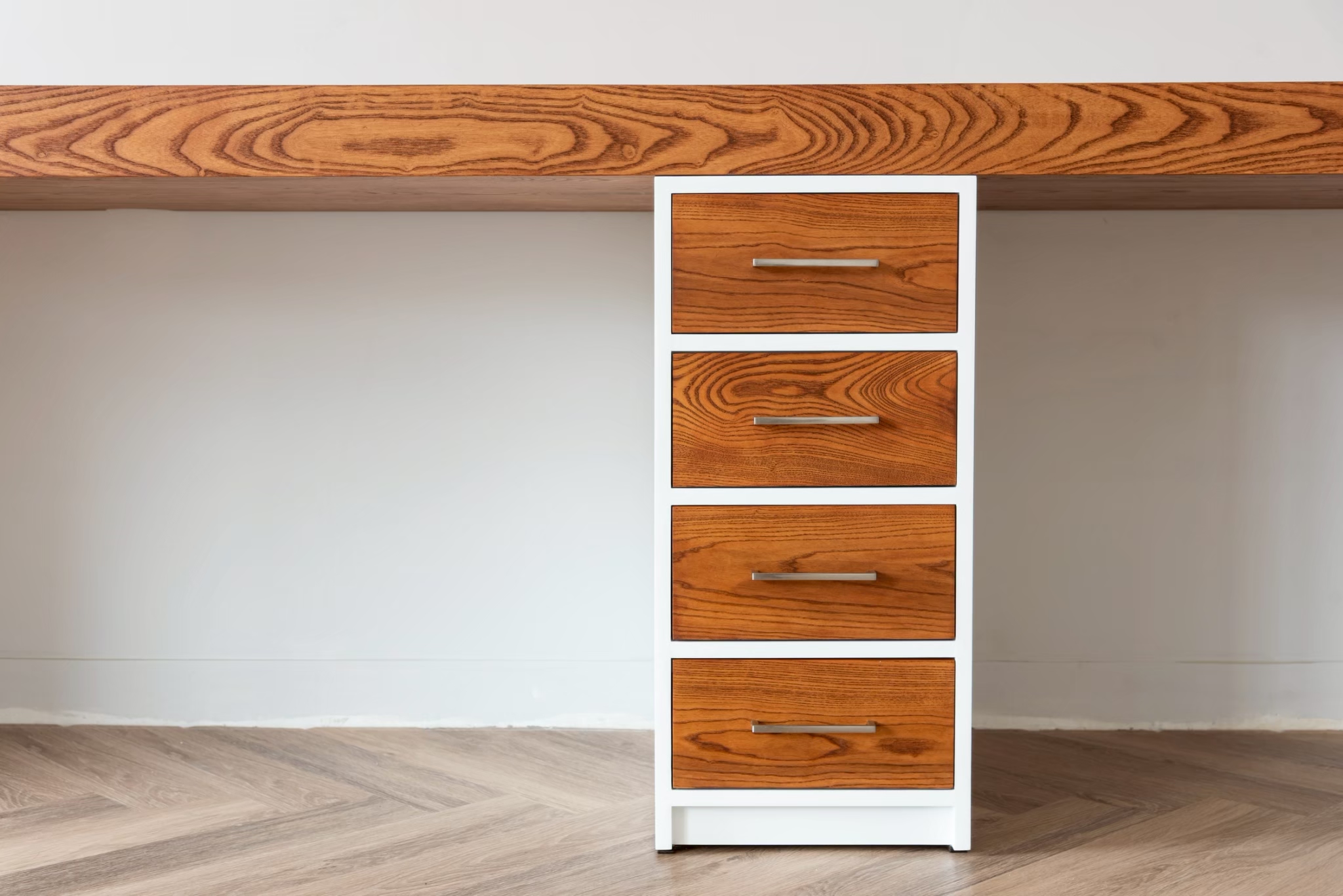
Comfortable living depends on real daily use. If you work from home, a desk with built-in cable management and dedicated drawers for supplies will serve you better than an off-the-shelf table. For families with young children, fully enclosed cabinets and rounded corners are safer than many mass-produced pieces. Custom furniture lets you adapt functions to actual behaviors—adjust shelf heights for your specific cookware, add hooks in the entryway, or design a bed with under-bed storage—so every piece is highly practical and suited to everyday life.
Choose materials and style to suit you
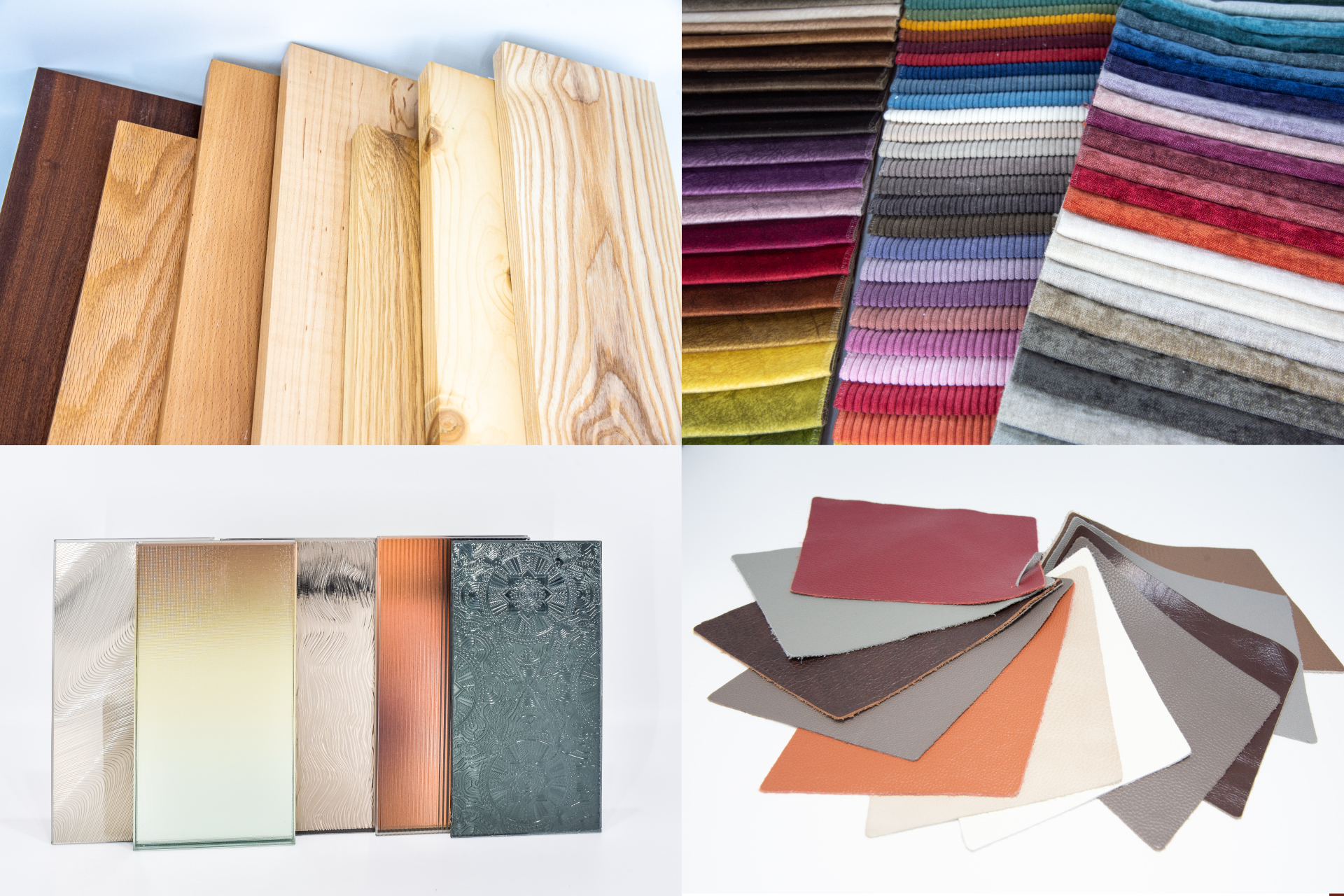
Custom work gives you freedom to choose materials and finishes: different solid woods, laminates, melamine, metal, or glass, and the exact color tones and detailing you want. You can specify edge profiles, tongue-and-groove construction, pegged joinery, or concealed hinges. Selecting materials appropriate for the use—hardwood where strength is needed, moisture-resistant materials for kitchens and bathrooms—helps furniture blend with the home’s overall aesthetic and last longer. You can also add unique touches like custom handles or continuous wood grain patterns across panels to create distinctive, cohesive looks.
Built to last—better value over time
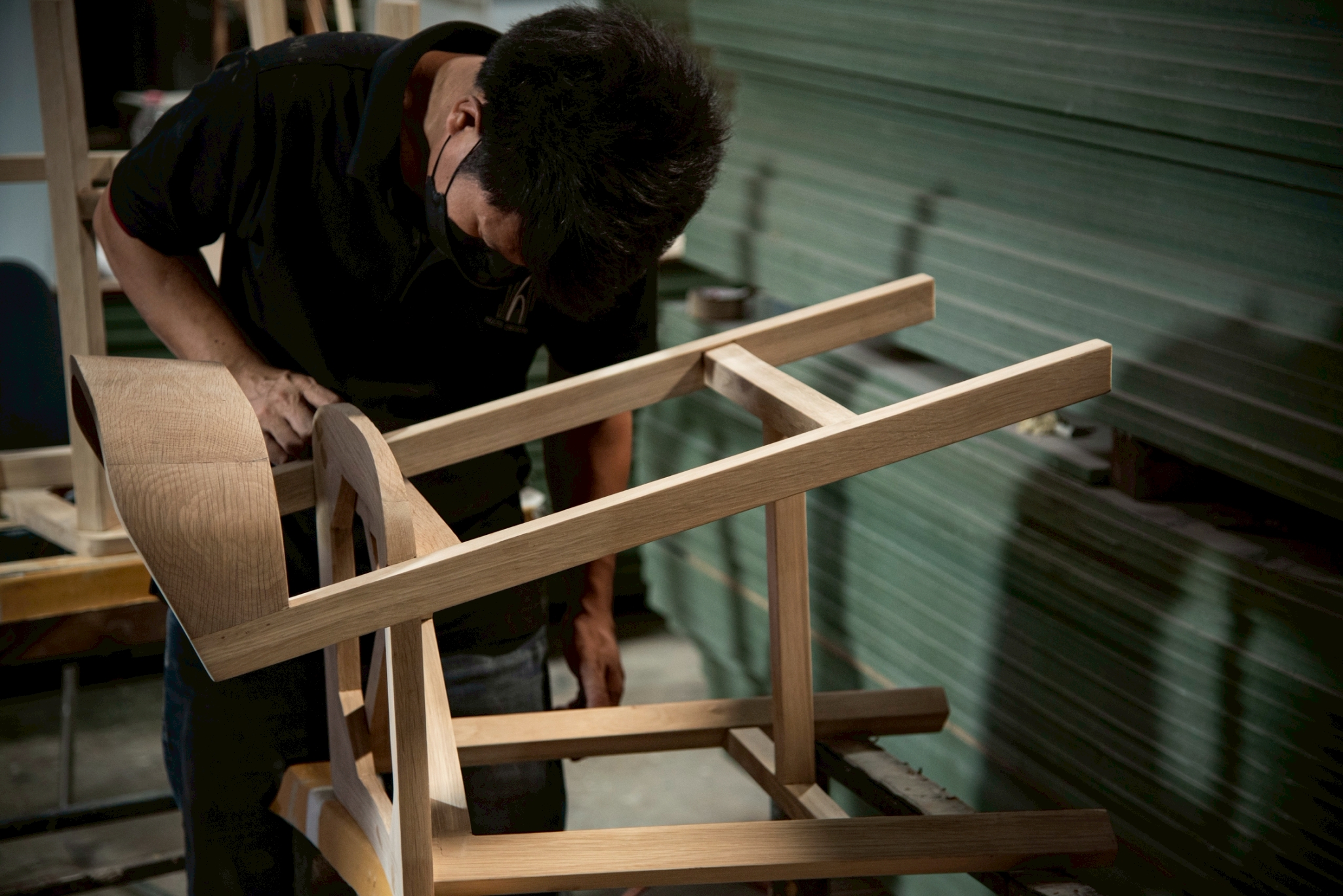
Custom furniture typically prioritizes structure, material choice, and assembly methods—such as mortise-and-tenon joinery, pegged construction, or properly welded metalwork—which increase strength and reduce wobbling. Designing pieces so parts can be repaired or replaced easily will further extend their lifespan. Compared to buying low-cost, mass-produced items that need frequent replacement, investing once in high-quality custom pieces is more cost-effective long-term, both functionally and aesthetically.
More than furniture: a space that truly fits you
Custom furniture is not merely decoration; it’s a tool for designing spaces that support real life. Every piece is conceived from actual dimensions, user needs, and behaviors, so your home becomes not only beautiful but also highly functional and aligned with your lifestyle. Whether it’s zoning a small room, creating a work nook that doesn’t intrude on shared space, or designing a kitchen that streamlines cooking, custom solutions make daily life easier and more enjoyable.
Ideas and practical examples to consider
- Built-in kitchens with storage compartments sized to your specific cookware and appliances
- Multi-functional beds with drawers or hidden compartments for seasonal storage
- Tall shoe cabinets that use vertical space in entryways
- Angled shelving and built-in cabinets under stairs to add storage space
- Work desks designed with cable management, document slots, and a dedicated printer shelf
Recommendations before ordering
- Measure the actual space at several points and record heights, depths, and locations of power outlets/plumbing fixtures clearly
- Set a budget that includes materials, labor, and installation, and allow a contingency of about 10–15% for unexpected costs
- Ask to see portfolio work or reviews from the maker; inspect sample materials and finished pieces before approving the design
- Agree on timelines and warranty terms up front, including after-sales service and installation arrangements
If you want furniture that is both beautiful and genuinely functional, consult a custom furniture specialist to design pieces that “fit” your home and lifestyle. Get expert advice on materials, design approaches, and realistic budgets so your investment is practical and rewarding over the long term.
Furniture | Interior Design | Custom Furniture